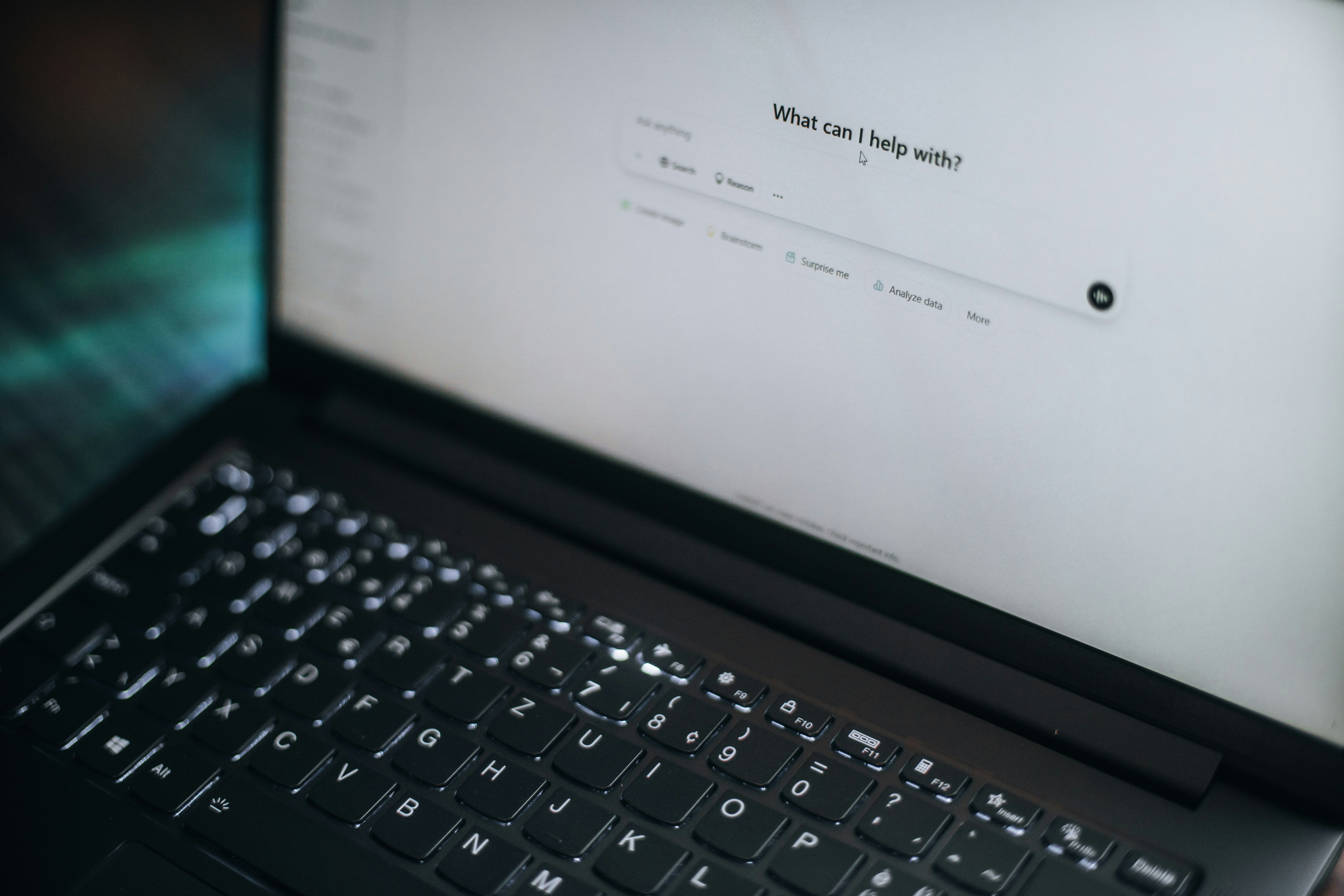
If you've searched for anything on Google lately, you've probably noticed that an AI-written answer now shows up first, before any website. Most of the time it's good enough that you don't click any further. And if you run a business with a website, it's natural to wonder what that means for you. It's a fair question, so let's look at how AI search affects small business websites in plain terms.
What's happening to website visits
Several studies have looked at this, and they mostly agree: when an AI answer appears, fewer people click through to websites. The exact numbers differ from study to study, and some report that clicks drop by around half, so I wouldn't focus on any single figure. What matters is the direction. The same page in the same position can bring in fewer visitors than it did before, even though nothing is wrong with it.
It doesn't hit every business in the same way, though. Someone looking for a quick answer to a general question is easily satisfied by a summary. Someone who wants to book you still needs your real details, your prices and a way to get in touch, and a summary can't replace that. So if most of your visitors come from broad how-to searches, you'll probably notice more of a drop than if people mostly find you through recommendations or by searching your name.
How to make your website work with fewer visitors
When fewer people arrive, each visit matters more, and the people who do click are usually closer to making a decision. So the first thing is to make sure your site answers their questions right away: what you offer, what it costs, where you are and how to book. These are the same basics that decide whether a visit turns into a booking in the first place.
It also helps to be specific. Nobody outside the search companies knows exactly how AI picks what to show, but a page that clearly answers a real question is easier to understand, for people and for machines. A sentence like "we offer high-quality care" doesn't say much. "A first session lasts 60 minutes, and here's what we cover" does. Try collecting the questions your clients ask you most often and answer them on your site in plain words.
Keep the basics consistent as well. Your address, opening hours, services and prices should be the same on your website, your Google Business Profile and your social media pages. When the details don't match, people get confused, and it's harder for any tool to know what to trust. Click here if you'd like to read more about this.
A simple check to do this week
A drop in visitors isn't the same as a drop in business, so look at both. Open your website stats and put two numbers side by side for the last few months: how many people visited, and how many sent an enquiry or made a booking. If visits are down but bookings are steady, your site is doing its job for a smaller audience. If both are down, go back through the basics above. Then pick the three questions clients ask you most and see whether your site answers them clearly.
AI search is a change, not a reason to rebuild everything from scratch. Your website is still the place where someone decides whether to trust you. If you have questions about your own site or your numbers, write to me and we can look at it together.
*Image is from Unsplash.
